

Why Global Brands Are Switching to rPET: Consumer Insights & Market Growth
Sustainability is no longer optional for brands—it is a market demand.
rPET (recycled polyester) has become the preferred material for backpacks, bags, and fashion products due to its environmental benefits and growing consumer awareness.
This article explores why global brands are adopting rPET, backed by consumer insights and market trends.

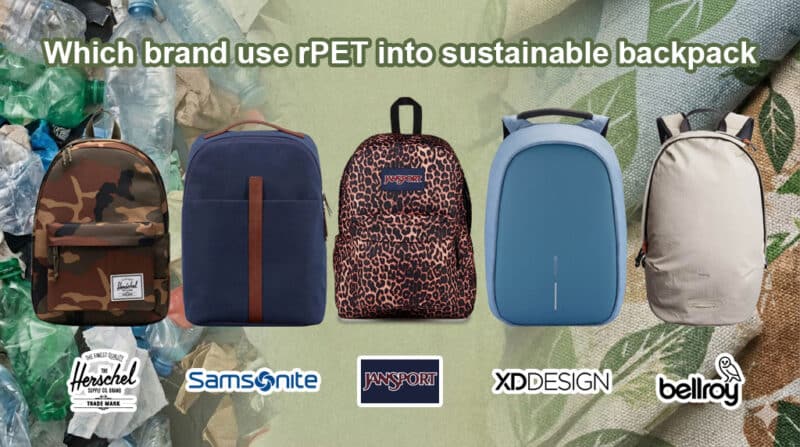
Consumer Trends Driving rPET Adoption
Modern consumers, especially Millennials and Gen Z, prioritize eco-friendly products. Key drivers include:
- Environmental Awareness: Plastic pollution and climate change motivate sustainable purchases.
- Brand Transparency: Consumers look for traceable recycled materials like GRS-certified rPET.
- Quality Expectations: rPET backpacks now match or exceed virgin polyester in durability and handfeel.
- Storytelling: Products with a “bottle-to-bag” story resonate with eco-conscious buyers.
Brand Strategy & Market Growth
Major brands have shifted their product lines to incorporate rPET:
- Fashion brands highlight sustainability as a key selling point.
- Outdoor and adventure brands use rPET to reduce carbon footprint.
- Retailers promote rPET backpacks through limited-edition eco-collections.
For brands, rPET adoption aligns with ESG commitments, enhances reputation, and attracts eco-conscious buyers.
ESG & Sustainability Impact
rPET directly contributes to Environmental, Social, and Governance (ESG) strategies:
- Environmental: Reduces plastic waste and CO₂ emissions compared to virgin polyester.
- Social: Supports ethical supply chains and transparent sourcing.
- Governance: Certification (e.g., GRS) ensures traceability and compliance.
Global Market Data
The rPET market has grown rapidly over the last decade. Key statistics include:
- Global rPET fiber production exceeded 4 million tons in 2024.
- Backpack and bag segments account for over 25% of rPET demand.
- GRS-certified suppliers increased by 30% in Asia and Europe since 2020.
- Consumer willingness to pay a premium for sustainable backpacks is rising 10–15% annually.
Factory Perspective
From a Chinese backpack manufacturer viewpoint:
- rPET fabrics are widely available in 300D, 600D, 900D, and 1200D for backpacks.
- Supply is stable for most orders, allowing brands to scale sustainably.
- Factories provide GRS-compliant TC certificates for traceability.
- Adopting rPET requires slightly higher attention to dyeing and finishing to match quality expectations.
FAQ
Why are brands switching to rPET?
Brands adopt rPET to meet consumer demand for sustainability, reduce environmental impact, and strengthen ESG commitments.
Is rPET as durable as virgin polyester?
Yes. Modern rPET fabrics match or even exceed virgin polyester in abrasion resistance, handfeel, and color retention.
How does rPET support ESG reporting?
rPET provides measurable environmental benefits and chain-of-custody transparency, which brands can report in sustainability disclosures.
Which backpack types commonly use rPET?
School bags, travel backpacks, fashion backpacks, and outdoor gear increasingly use rPET fabrics.